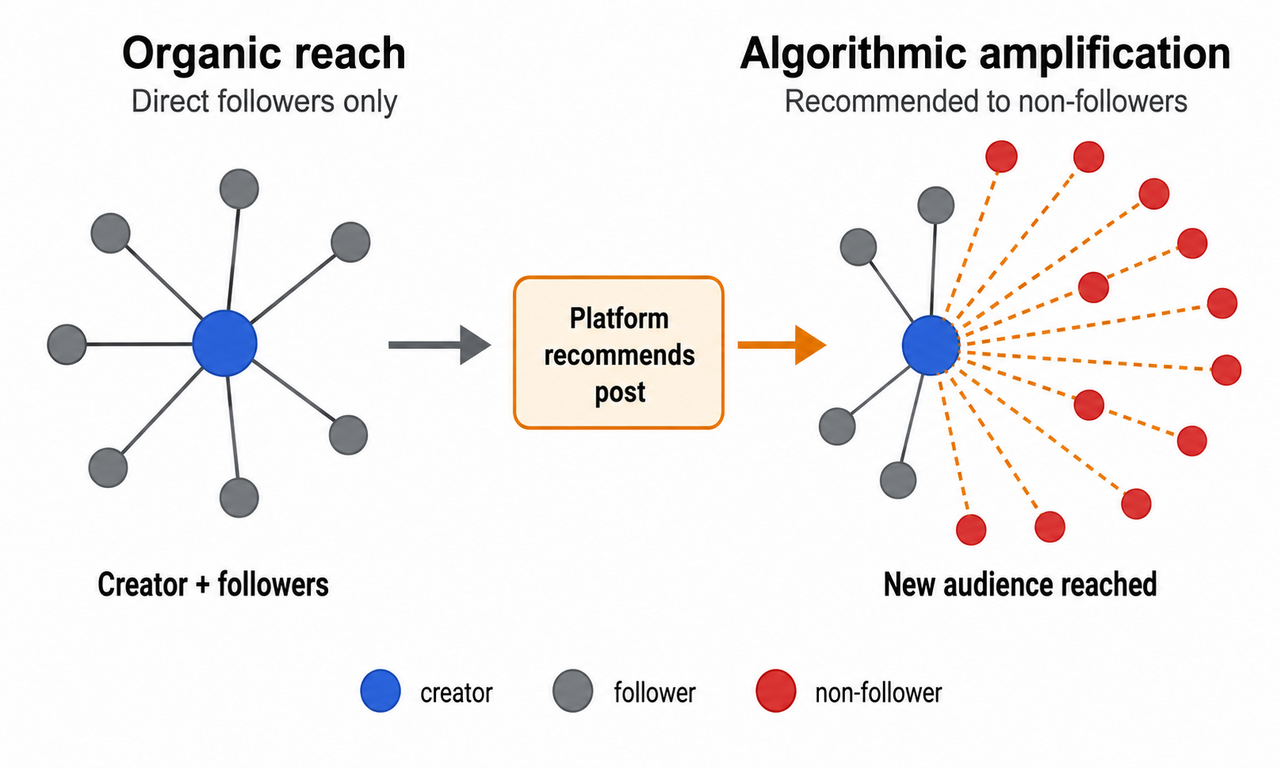
The traditional model of prosecuting hate speech relied on identifying a specific speaker, a microphone, and a clear intent, as seen in the 2003 UN conviction of RTLM radio executives for the Rwandan genocide. However, Saifuddin Ahmed, founder of Ishraqa Daily and OtwoX Digital Solutions, argues that this framework is obsolete in an era where content is primarily shared and ranked by code rather than spoken by individuals. In a recent DEV.to article, Ahmed posits that the 'harvest of tongues' has been mechanized, shifting the locus of responsibility from the author to the algorithm that decides what reaches whom.
The Algorithm as the Aggressor
Ahmed highlights that engagement-based ranking systems actively prefer anger over neutrality, creating a feedback loop that users do not consciously choose. Citing a 2025 preregistered audit, the article notes that Twitter’s engagement ranking amplified hostility toward out-groups even when users reported no preference for such content. Data supports this design bias: studies of over half a million tweets found that each moral-emotional word increased a post's spread by approximately 20%, while a separate analysis of 2.7 million posts showed that words targeting political out-groups raised sharing odds by 67%. The feed, Ahmed argues, is not a neutral mirror but an active participant in radicalization.
Legal and Technical Gaps
The legal system struggles to assign liability when the 'speaker' is a distributed network of shares and a black-box ranking model. Ahmed points to emerging precedents, such as the April 2025 Kenya High Court ruling that Meta can be sued for its recommendation system, and the 2018 UN investigator’s claim that social media played a 'determining role' in violence against the Rohingya in Myanmar. Unlike the clear accountability of RTLM’s radio broadcasts, modern platforms like Facebook operate with opacity; in the case of Ethiopian Professor Meareg Amare, targeted posts were removed only eight days after his death, highlighting the latency of reactive moderation.
The Low-Resource Language Blind Spot
For developers building moderation tools, the most critical failure lies in language coverage. Ahmed, writing from a Sudanese perspective, reveals a severe data gap: while Arabic hate-speech datasets exist for Saudi and Jordanian dialects, Sudanese Arabic remains largely unmodeled. A 2025 study by the Center for Democracy and Technology confirmed that moderation for languages like Maghrebi Arabic and Kiswahili is weak due to insufficient training data. Consequently, platforms are effectively deaf to local context; Build Up, an organization monitoring Sudanese social media, recorded 75,700 hate-speech posts in a single year ending February 2025, many of which likely slipped through automated filters due to dialectal nuances the classifiers never encountered.
Key Takeaways
- Engagement algorithms prioritize anger, increasing content spread by 20% per moral-emotional word.
- Legal accountability is shifting from speakers to ranking systems, as seen in Kenya’s 2025 Meta ruling.
- Moderation tools fail in low-resource languages like Sudanese Arabic, leaving 75,700+ annual hate posts unchecked.
- 'Thoughtlessness' in sharing replaces intentional hate, requiring friction-based UI designs rather than just banned word lists.
The Bottom Line
We cannot debug toxicity if we only audit the input data and ignore the ranking logic; developers must treat algorithmic amplification as a first-class safety concern, not a side effect of engagement metrics.