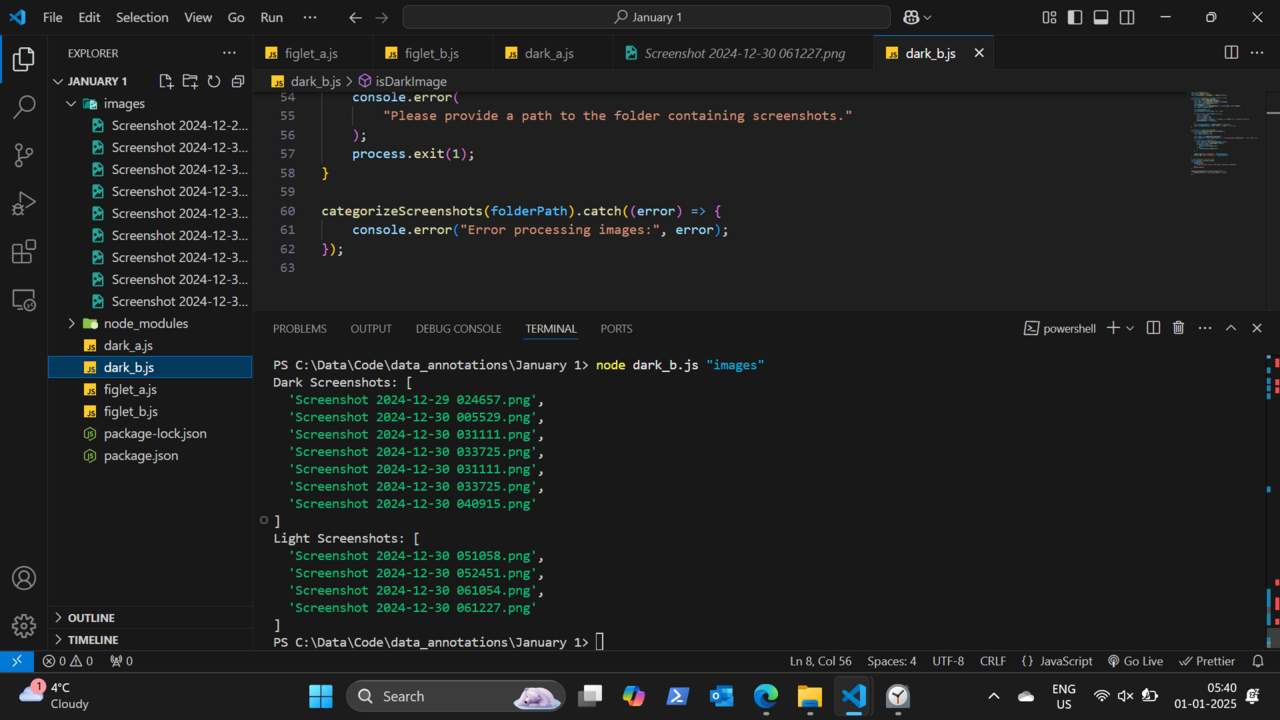
Satya Nadella, CEO of Microsoft, has conceded that Visual Studio Code’s dominance as the default developer environment eroded rapidly following the launch of Anthropic’s Claude Code. In a candid interview with Gergely Orosz of The Pragmatic Engineer, Nadella stated that IDEs "kind of faded away" in about six months after Claude Code introduced a new paradigm where code generation moved from input to output via the command line. This admission marks a significant pivot for Microsoft, which spent over a decade cultivating VS Code into the industry standard.
The Collapse of the Decade-Long Moat
The timeline of this disruption is stark. Microsoft previewed VS Code in April 2015 and open-sourced it later that year, reaching 2 million installs by 2016. For years, the strategy relied on what Nadella credited the team for: building in the open, leveraging community feedback and extensions to create an unassailable platform. However, Anthropic’s February 2025 launch of Claude Code, a terminal tool capable of editing files, running tests, and committing code, bypassed the GUI entirely. Nadella described the impact bluntly: "The thing that hit us was obviously a great work that Anthropic did with their model, which then truly made the CLI as a form factor." This shift rendered Microsoft’s long-standing "Embrace, extend, extinguish" strategy ineffective against a tool that simply walked around the moat.
Developer Sentiment and Data Signals
While Nadella’s comments are high-level, the ground-level reality for developers reflects a tangible decline in IDE usage. Stack Overflow’s 2026 Developer Survey revealed that VS Code usage dropped to 70.9% from 75.9% the previous year, a significant statistical decline. Conversely, Claude Code topped the coding agents category with 65.5% adoption. Anecdotal evidence from Orosz suggests that among his network of startup developers, the need to open an IDE for daily coding has largely vanished. Some developers now use VS Code only for specific tasks like reviewing diffs or managing Markdown files, while others keep it open purely for the psychological comfort of a familiar interface.
Microsoft’s Pivot to an Agent Control Room
Rather than abandoning the editor, Microsoft is reimagining VS Code as a management interface for AI agents. Recent updates, including VS Code 1.146 and 1.147 released in November 2026, introduced features such as an agent inbox, model comparisons, and model routers. These tools allow developers to orchestrate multiple AI agents, including Copilot, Claude, and Codex, from within the editor. Nadella noted that the future IDE is less about typing code and more about "how do I really input the specs and the markdowns." This strategic shift acknowledges that while code generation has moved to the terminal, the need for oversight, specification management, and agent coordination remains.
Key Takeaways
- Nadella admitted IDEs "faded away" in six months due to Claude Code’s CLI-first approach.
- VS Code usage dropped to 70.9% in the 2026 Stack Overflow survey, down from 75.9% in 2025.
- Microsoft is pivoting VS Code to an agent control room with new routing and inbox features.
- Anthropic’s Claude Code achieved 65.5% adoption in the coding agents category.
The Bottom Line
Nadella’s admission that "Don’t be in love with what you built" is the most important lesson for the tech industry. Microsoft is correctly pivoting VS Code from a code-writing tool to an agent orchestration hub, recognizing that the terminal has become the new IDE for the AI era.