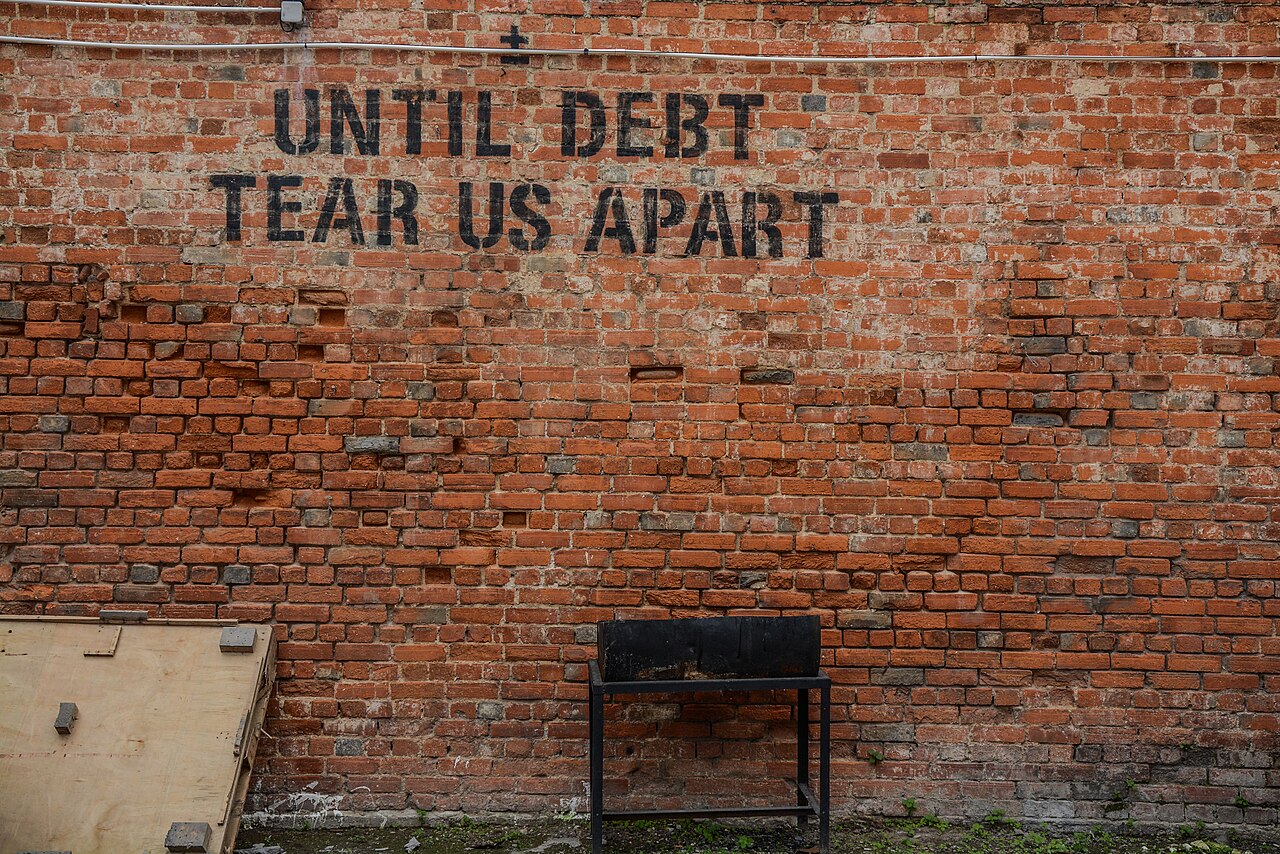
The era of 'move fast and break things' has mutated into 'generate fast and verify nothing.' Philip Lilius, in a recent analysis gaining traction on Hacker News, argues that verification debt—a term popularized by Amazon CTO Werner Vogels in December 2025—has escaped the confines of software engineering. It now pervades legal filings, government tenders, and corporate communications. The core mechanic is simple and brutal: generating text scales with compute, but verifying it scales with human hours. As AI output looks increasingly 'finished,' the cost of checking it is quietly externalized to the next person in the chain, often a judge or a client who actually has to read the document.
The Workslop Ponzi Scheme
Lilius describes a 'workslop Ponzi' where productivity theater masks a growing liability. In this cycle, an agent generates twenty pages in thirty seconds, and the sender looks productive. The receiver, lacking time to read, generates a reply, looking equally productive. This continues until the last reader—a judge, auditor, or customer—is forced to actually read the material, at which point the scheme collapses. The data supports this: US court filings containing AI-invented material surged from 37 in 2024 to 668 in the first seven months of 2026. In Australia, Deloitte refunded over A$97,000 on a government report due to a fabricated court quote, while a Swedish municipality withdrew a school plan built on non-existent research.
The Liability Shift to 2027
The regulatory landscape is beginning to catch up with the technical reality. The EU AI Act’s transparency rules, active since August 2026, create a loophole that favors accountability over labeling: AI text on matters of public interest does not require a label if a human has reviewed it and takes responsibility. This effectively turns a 'named reviewer' into a compliance asset. Looking ahead, Sweden’s new product liability law, scheduled to apply from January 2027, will bring software and AI under strict liability. Lilius predicts that by 2028, the question will no longer be whether AI was used, but who signed off on it and whether they can actually verify the work.
Key Takeaways
- Verification is the bottleneck: While generation is instant, human review is the limiting factor, creating a backlog of unread, potentially false information.
- Legal and financial exposure is rising: With hundreds of court filings now containing AI hallucinations, firms are facing refunds and reputational damage, forcing a shift toward 'named reviewer' models.
- The 'Reviewer of Record' is the new norm: Future contracts, particularly in public sector and audit-adjacent work, will likely price generation separately from verified sign-off.
- Junior training is collapsing: As seen at Anthropic, where junior technical hires dropped from 27% to 9%, the pipeline for creating competent reviewers is drying up because juniors aren't doing the work anymore.
The Bottom Line
Stop treating reading as optional. If you're shipping AI-generated docs, budget for the human hours required to verify them, or you're just passing the bill to someone who will eventually sue you.