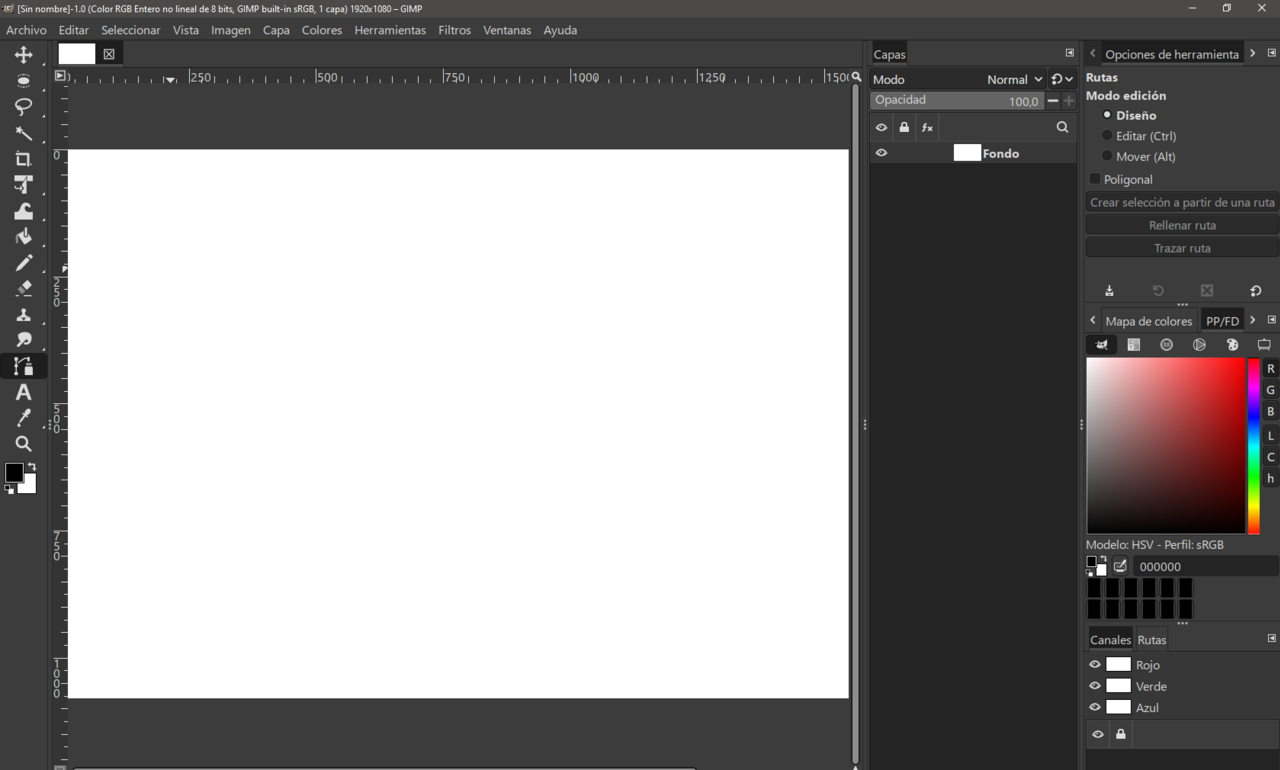
GIMP 3.2.8 is now available as the latest stable release for the open-source image editing suite, marking a significant update for Linux desktop users and cross-platform creators. This version focuses heavily on stability, introducing a new GUI testing suite to catch regressions early in the development cycle and improving compatibility for AppImage distributions.
Security Hardened by Automated Scanners
A major component of this release addresses a surge in security reports, which the GIMP team explicitly attributes to "recent advances in software scanning and testing programs." While the volume of reports might sound alarming to users, the developers clarified that the risk profile remains low for most workflows. The team stated, "There are no personal accounts or banking information to exploit since we of course don’t access or store that information." The primary vulnerability identified involved older image plug-ins and legacy filters being "too trusting" of size information provided by image files, potentially causing crashes if that data was intentionally altered.
Usability and Performance Improvements
Beyond security, GIMP 3.2.8 introduces practical refinements for daily users. The color picking GUIs have been enhanced to display more subtle color changes, a critical tweak for designers requiring precise hue adjustments. Additionally, the application can now load larger HEIF images thanks to updated loading code, addressing a common pain point for photographers working with high-efficiency formats. Font-loading processes have also been optimized to allow for early cancellation, which directly contributes to faster program shutdown times.
Key Takeaways
- GIMP 3.2.8 includes security fixes driven by automated scanning tools, not necessarily active exploits.
- New GUI testing suite added to help developers identify regressions before release.
- Improved support for larger HEIF images and faster shutdown via cancellable font loading.
- AppImage compatibility has been enhanced for easier distribution on Linux.
The Bottom Line
It’s fascinating to see how AI-driven code scanning is forcing even mature, stable projects like GIMP to tighten up their legacy plug-in architecture. This isn't just maintenance; it's the new standard for open-source hygiene.