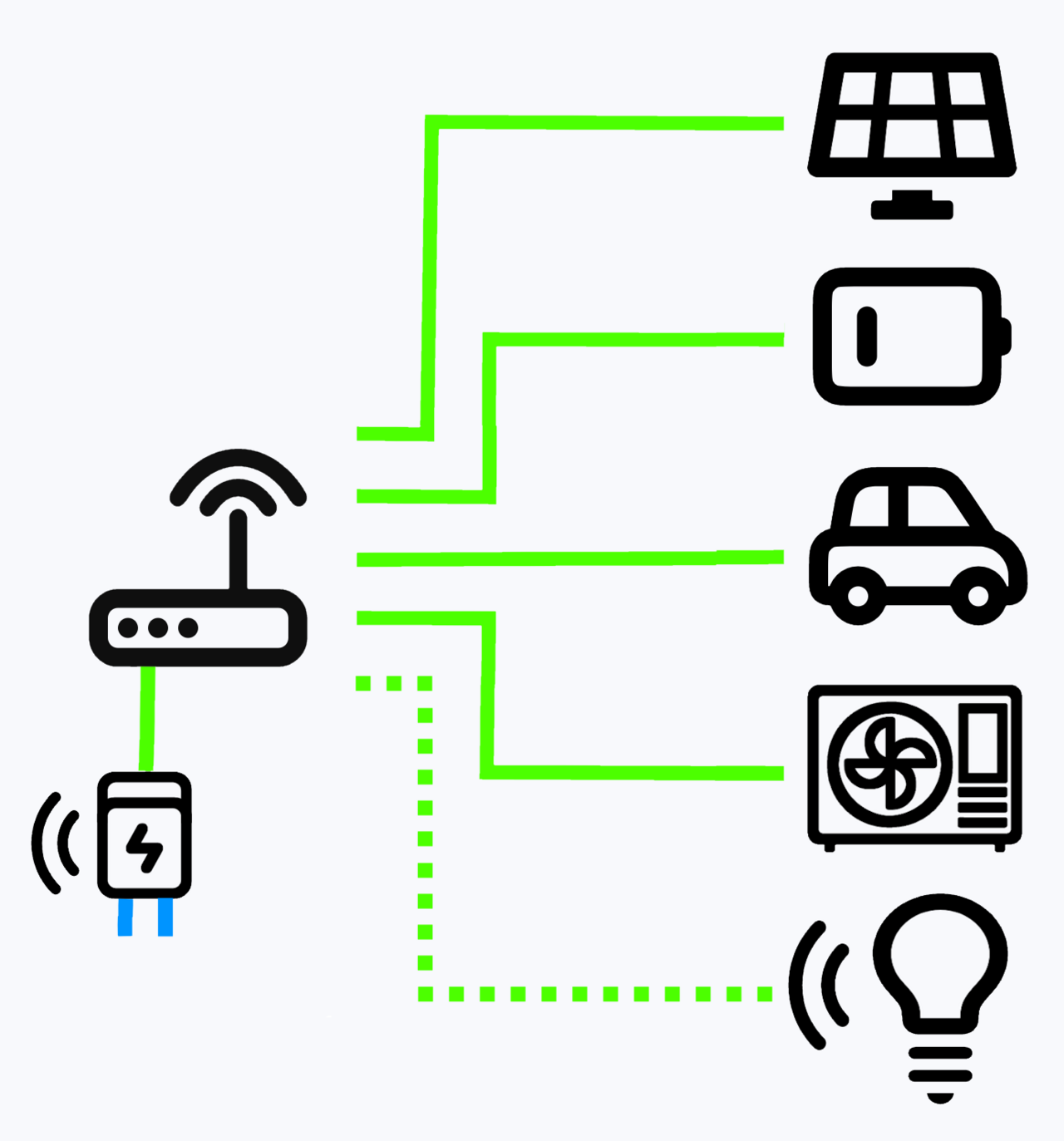
Electricity bills can quietly spiral when appliances run idle, lights stay on, or cooling systems overwork themselves. But you do not need to be an electrical engineer to fix this. A new guide from ZProStudio breaks down Smart Home Energy Management, a method for using connected devices to monitor, manage, and optimize household energy consumption. By combining energy monitors, smart plugs, and automation, homeowners can gain visibility into their usage and control compatible devices automatically, reducing waste while maintaining comfort.
Start With Visibility, Not Hardware
The most common mistake in smart home setups is buying gadgets before understanding the problem. The guide emphasizes starting with an energy monitoring system. Whole-home monitors, such as those from Sense or Emporia, track usage across your electrical system, while smart plugs can measure individual appliances. You need to see current consumption, historical patterns, and unusual changes before you spend money on automation. For panel installations, always use a qualified electrician and follow manufacturer safety instructions.
Build Your Automation Stack Gradually
Once you have data, identify specific devices that need control. Smart plugs from families like TP-Link Tapo or Kasa allow for remote scheduling, while smart thermostats from Google Nest or ecobee manage heating and cooling. The key is to create simple energy-saving rules first. Examples include turning off lights in unoccupied rooms, scheduling entertainment devices to power down, or running appliances when solar power is available. Start with three or four routines and check their results before adding more complexity.
Common Pitfalls to Avoid
Compatibility is king. Not every smart device works with every platform, so check connectivity standards like Wi-Fi, Bluetooth, Thread, or Zigbee before purchasing. Ignoring network coverage can interrupt automation, leading to frustrated users. Additionally, do not expect guaranteed savings percentages. Results depend on your starting consumption, appliance efficiency, and local electricity tariffs. If you have solar panels and battery storage, integration can help coordinate generation and consumption, but benefits vary based on your specific installation and tariff structure.
Key Takeaways
- Monitor first, automate second: Use whole-home or plug-level monitors to identify high-consumption appliances before buying smart devices.
- Keep it simple: Start with 3-4 automation routines rather than overcomplicating your setup with conflicting rules.
- Verify compatibility: Check connectivity standards and hub requirements for devices like TP-Link, Google Nest, or ecobee before purchase.
- Manage expectations: Savings are not guaranteed and depend on usage patterns, appliance efficiency, and local electricity rates.
The Bottom Line
The goal isn't simply to add more smart devices. It's to use technology where it genuinely makes a difference. Start with an energy monitor, identify appliances that consume more power, and introduce useful automation gradually.