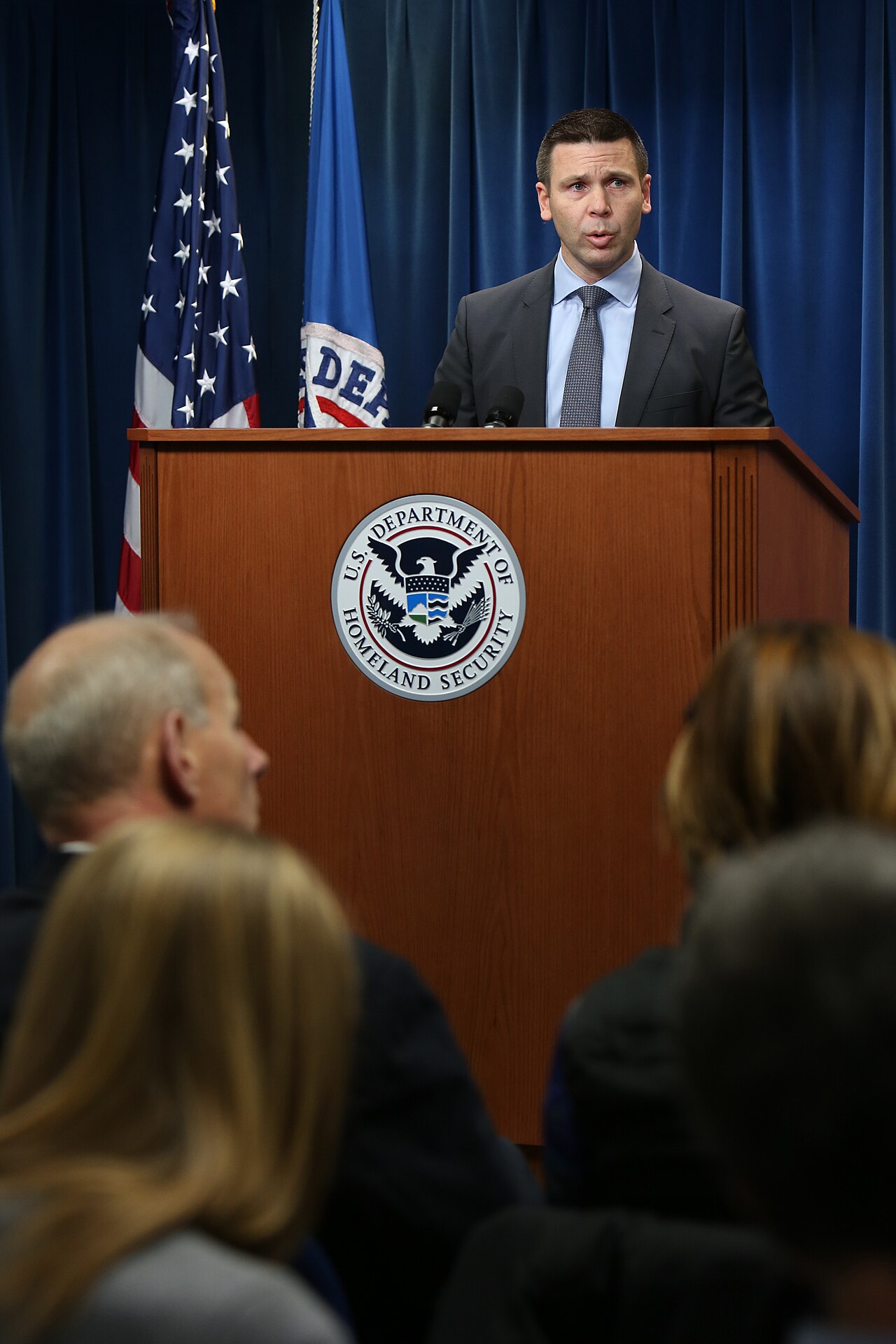
The US Department of Homeland Security has issued a sweeping directive requiring all federal civilian agencies to remove DeepSeek products from their IT infrastructure and halt future procurement. Signed by Secretary Markwayne Mullin on July 24 and published in the Federal Register on Monday, this order represents the most comprehensive government ban against a Chinese AI developer to date. Unlike previous piecemeal restrictions, this mandate targets both existing installations and the supply chain, creating immediate compliance headaches for government contractors.
Scope Exceeds Previous Restrictions
This directive distinguishes itself from earlier bans by the Commerce Department in March 2025 or individual actions by the Navy and NASA. It covers third-party products and services built with DeepSeek models, meaning US vendors who integrated DeepSeek technology into their own tools are now caught in the crossfire. Agencies must audit their stacks for embedded DeepSeek components, effectively separating the government market from the commercial one. The Department of Defense and intelligence community are explicitly excluded from this specific order, suggesting a tiered approach to national security concerns.
Beijing Pushes Back Amid Tech Rivalry
China’s Foreign Ministry and Ministry of Commerce responded with strong dissatisfaction, labeling the move an overstretch of national security concepts and warning of necessary countermeasures. The timing is particularly ironic for DeepSeek, whose V4.1-Flash-1017 model recently claimed the top spot among open-source models on Code Arena: WebDev with 1,670 points. This performance outpaced closed-source rivals like Claude Opus 5 and Grok 4.7, highlighting the disconnect between technical merit and geopolitical policy. US companies such as Snowflake and Vercel have previously integrated DeepSeek for its cost efficiency, a strategy now facing regulatory friction.
Key Takeaways
- DHS order mandates removal of DeepSeek products and bans new procurement across federal civilian agencies.
- Scope includes third-party vendor tools built on DeepSeek models, impacting US software supply chains.
- Department of Defense and intelligence community are excluded from this specific directive.
- China opposes the ban, citing overstretch of national security and promising countermeasures.
- DeepSeek’s recent top ranking on Code Arena underscores the gap between commercial adoption and government policy.
The Bottom Line
For developers and vendors, this is a clear signal that geopolitical risk is now a primary factor in AI infrastructure decisions. If you are building tools for the federal government, audit your dependencies for Chinese AI models immediately, because the 'set it and forget it' era of open-source integration is over.