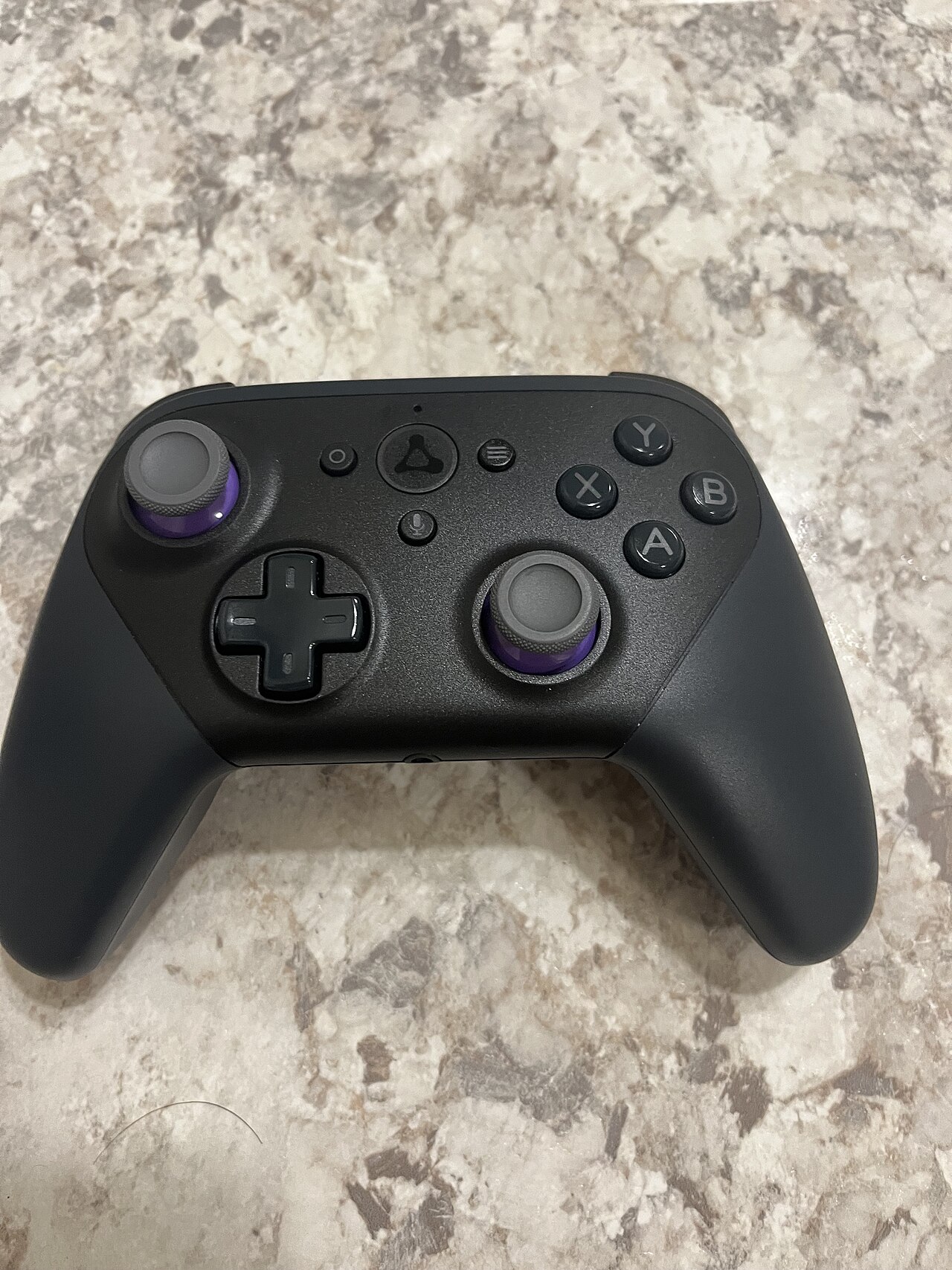
In late 2025, Amazon executed a significant strategic pivot by folding the legacy "Prime Gaming" brand entirely under the Amazon Luna umbrella. For developers and cloud architects, this shift is not merely a consumer-facing rebranding exercise but a signal of how Amazon is centralizing its gaming ecosystem. While many Prime subscribers remain unaware of the full scope of this integration, the move unifies downloadable PC games and cloud streaming services into a single dashboard, creating a consolidated hub that serves as both a benefit portal and a technical showcase.
The Infrastructure Behind the Stream
Amazon Luna operates as a masterclass in large-scale, low-latency cloud engineering, utilizing specific AWS technologies to deliver interactive HD gameplay. The platform relies heavily on GPU-accelerated compute, mirroring the capabilities found in Amazon EC2 G-series instances which handle graphics-intensive workloads. To manage the transmission of rendered frames, the system employs high-performance streaming techniques similar to Amazon DCV, a remote display technology designed for engineering and media production. This ensures that frame encoding and decoding occur with minimal delay, a critical requirement for maintaining responsiveness in real-time applications.
Global Networking and Stateful Sessions
Beyond compute and streaming, Luna highlights the importance of AWS's global infrastructure, including edge networking and strategically distributed Regions and Local Zones. Cloud gaming demands that every controller input travels to the cloud while newly rendered frames stream back almost instantly, necessitating a network architecture far more sensitive than traditional web applications. Furthermore, each gaming session represents a long-running, stateful workload that requires dedicated compute resources. Managing millions of these concurrent sessions while maintaining high availability and performance stands as one of the most demanding challenges in modern cloud infrastructure, offering valuable insights for builders working on real-time collaboration tools or streaming platforms.
Regional Availability and Permanent Ownership
The user experience varies significantly by region, with supported areas like the US, UK, and Canada receiving the full "Luna Standard" tier for instant streaming on devices ranging from PCs to Fire TV. In contrast, regions without active cloud streaming, such as India, still provide access to monthly downloadable PC games via the Luna portal. These titles, which have included hits like "Mafia III: Definitive Edition" and "Tomb Raider I–III Remastered," are redeemed through platforms like Epic Games, GOG, and the Amazon Games App. Crucially, these downloads are permanent licenses; once claimed, the games remain in the user's library even if the Prime subscription lapses, transforming a utility membership into a tangible asset repository.
Key Takeaways
- Amazon Luna now serves as the unified home for all Amazon gaming benefits, replacing the separate Prime Gaming brand.
- The platform utilizes EC2 G-series instances and Amazon DCV-like technologies to manage GPU rendering and low-latency streaming.
- Developers can study Luna's architecture for best practices in handling stateful, concurrent workloads and edge networking.
- Prime members in non-streaming regions can still claim permanent, downloadable PC games via Epic Games and GOG.
- The consolidation highlights how consumer-facing products often rely on sophisticated, enterprise-grade cloud infrastructure.
The Bottom Line
Amazon Luna is less about gaming and more about proving that low-latency, stateful cloud computing is now a standard industry capability. Builders should stop viewing it as a niche service and start treating its architecture as a reference implementation for real-time web applications.