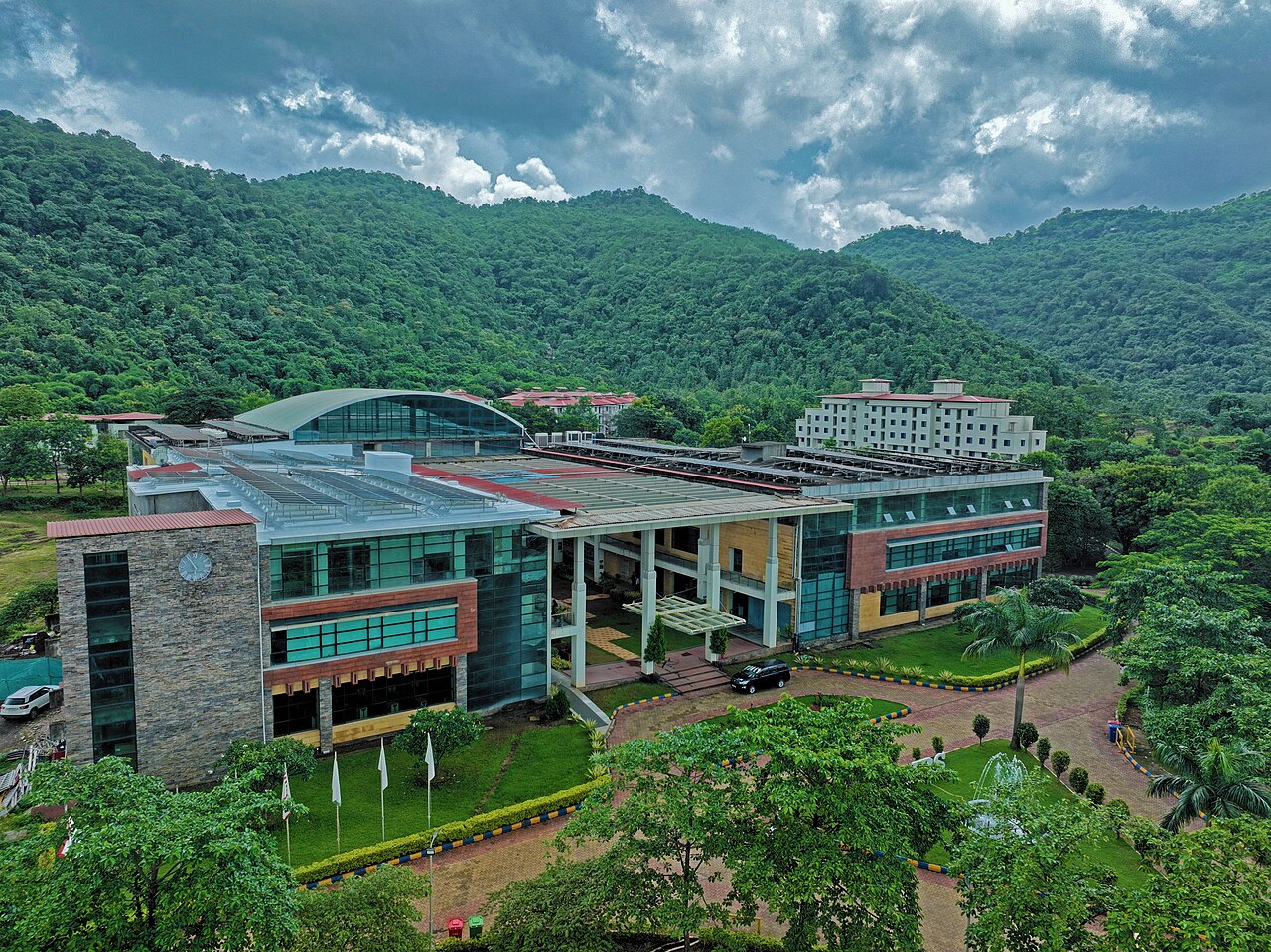
Sesterce, a French AI infrastructure company, has announced a planned investment exceeding €10 billion to transform the former Kaipola paper mill in Jämsä, Finland, into a large-scale AI campus. The project aims to strengthen Europe’s digital infrastructure by leveraging existing industrial assets, including power grids and water systems, rather than building from scratch. Construction is slated to begin in 2026, marking a significant pivot for a site that has produced paper for the world for over six decades.
Phased Capacity and Industrial Reuse
The development will unfold in phases, starting with a 200 MW capacity in the first stage, which is expected to expand to 600 MW in the second phase. Sesterce CEO Youssef El Manssouri stated that the long-term goal is to build more than one gigawatt of AI capacity in Finland, contingent on real market demand and committed workload capacity. This approach relies on an existing anchor customer to validate the infrastructure, ensuring the campus is not just a speculative build but a response to confirmed computing needs.
Environmental and Community Commitments
To address common criticisms of AI infrastructure, Sesterce has outlined four audited commitments. The company pledges to enable 1 MW of new renewable generation capacity for the Finnish grid for every 1 MW consumed by the campus within ten years. Cooling will strictly avoid drinking water, utilizing a closed-loop liquid system with harvested rainwater and recycled water instead. Additionally, a €10 million community fund will be established upon commissioning, with local projects selected by the City of Jämsä and residents.
Stakeholder Perspectives and Grid Readiness
Jori Reijula, Mayor of Jämsä, emphasized that while the project offers a welcome opportunity for regional vitality and job creation, the city will assess it carefully as it moves from plans to implementation. Jorma Myllymäki, CEO of Elenia, confirmed that the Kaipola site is already connected to the high-voltage electricity network, providing a solid foundation for the first phase. During construction, approximately 2,000 people are expected to be employed, dropping to around 300 once the campus is fully operational, with a commitment to using primarily Finnish contractors.
Key Takeaways
- Sesterce plans a €10B+ investment to convert the Kaipola paper mill into an AI campus.
- Initial phase targets 200 MW capacity, scaling to 600 MW and potentially over 1 GW.
- The project mandates a 1:1 renewable energy generation offset within ten years.
- Cooling systems will exclude drinking water, using closed-loop liquid and recycled sources.
- A €10 million community fund and public facilities are included in the campus design.
The Bottom Line
Sesterce’s strategy of repurposing legacy industrial sites for AI compute is a smart, pragmatic move that addresses both grid constraints and community concerns. By tying renewable offsets directly to consumption and leveraging existing high-voltage connections, this project offers a viable template for sustainable European AI expansion.