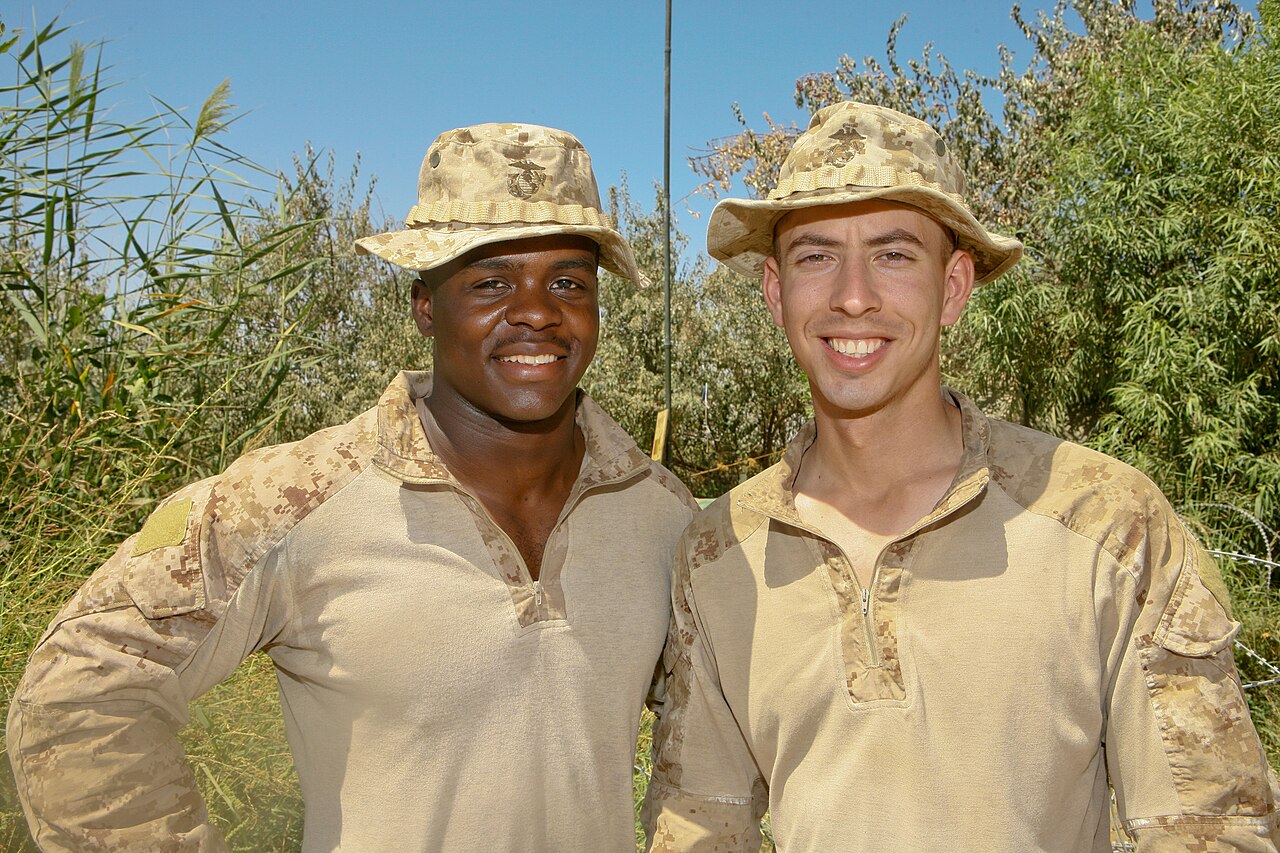
In 2022, the U.S. Navy reversed a two-decade policy and reinstated mandatory Morse code training for Information Warfare and signals personnel. While critics initially dismissed the move as archaic nostalgia, four years of contested electromagnetic environments and satellite dependency risks have proven the decision to be prescient engineering. By 2026, the Navy’s reliance on Continuous Wave (CW) signals has shifted from a historical curiosity to a critical backup layer in modern communication infrastructure.
Software-Defined Radio and Infrastructure Resilience
The core argument for Morse code in the modern era is structural resilience rather than sentimental attachment to the past. CW signals occupy approximately 150 Hz of bandwidth compared to the 2.4 kHz required for voice SSB, making them significantly harder to jam and easier to copy through noise. Furthermore, a five-watt Morse signal can span oceans, whereas voice transmissions at the same power level often fail completely. This low-probability-of-intercept capability requires minimal infrastructure, relying only on a basic transceiver, a wire antenna, and a battery—no satellite terminal or network routing required.
The Convergence of Military and Amateur SDR Tooling
Amateur radio operators never abandoned CW, and the Navy’s revival has created unexpected synergy between military and civilian communities. Modern Navy training emphasizes transferable skills using software-defined radios and portable HF transceivers that mirror equipment available to licensed amateur operators. Ham radio mentors are increasingly assisting service members with CW fundamentals, while emergency communication organizations like ARES and RACES share protocols with military contingency planners. The ARRL reports steady interest in CW among new licensees, validating the skill's relevance beyond military applications.
Key Takeaways
- Morse code offers 150 Hz bandwidth efficiency compared to 2.4 kHz for voice, providing superior jam resistance.
- A 5-watt CW signal can achieve global reach, outperforming voice transmissions at equivalent power levels.
- The Navy targets Information Warfare specialists, not every sailor, for this specialized backup communication skill.
- Civilian emergency preparedness benefits from Morse's independence from cellular networks, fiber lines, and satellites.
The Bottom Line
Morse code is not a relic; it is the ultimate fail-safe for an increasingly fragile digital world. If you rely on modern infrastructure, you are relying on a single point of failure that dots and dashes have survived for over a century.