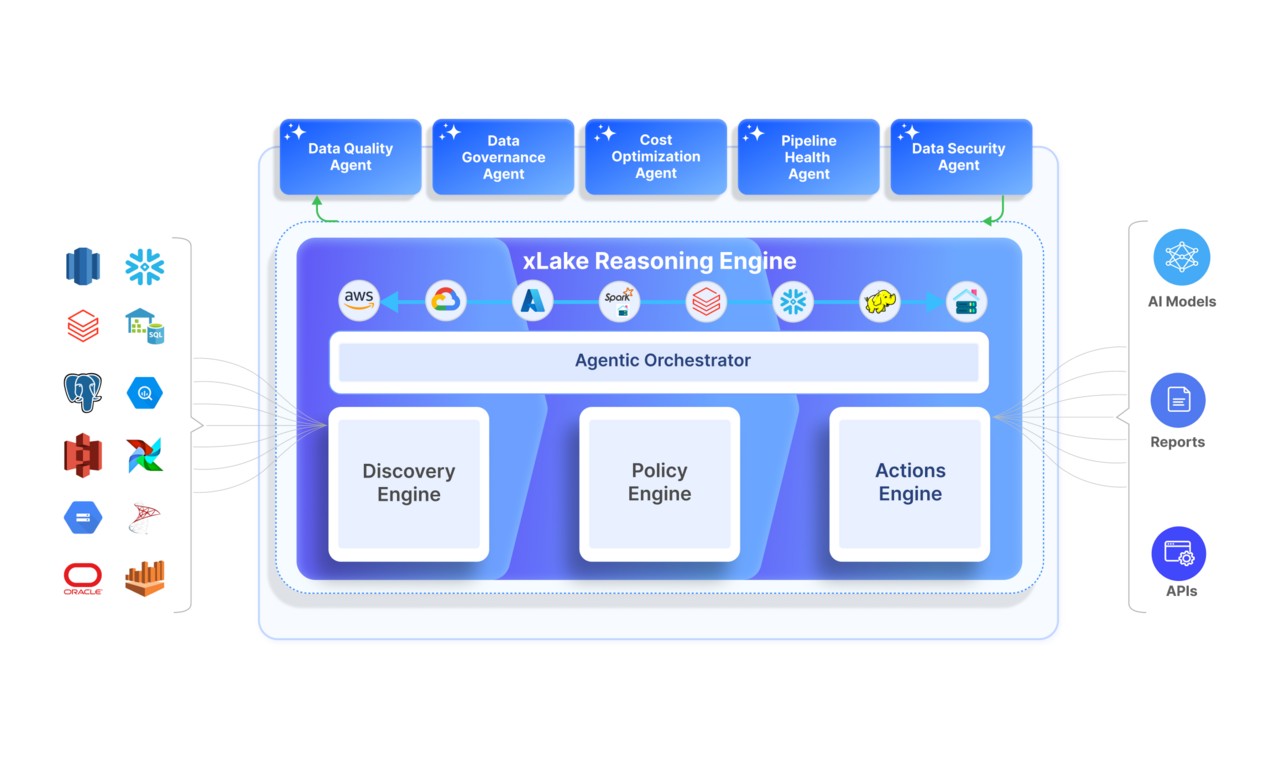
The era of passive observability is ending. While AIOps taught us to correlate alerts and identify patterns, the next phase of enterprise IT operations demands agents that can actually act. A new analysis outlines how agentic AI is transitioning from a diagnostic tool to an operational actor, capable of investigating issues, executing approved remediations, and documenting outcomes without human intervention.
From Correlation to Execution
Traditional IT operations rely on a human loop: detect, alert, investigate, act, verify. Agentic IT compresses this cycle by enabling AI to determine the appropriate response and carry it out. For example, when an application experiences latency, an agent can check configuration changes, review runbooks, and execute a remediation action, then validate the fix. This shift frees skilled engineers from repetitive triage, allowing them to focus on architecture and resilience rather than ticket clearing.
The Identity Crisis in Autonomous Systems
The most dangerous aspect of agentic IT isn't the automation itself, but the identity management it requires. AI agents need access to observability platforms, ITSM systems, cloud environments, and endpoint management tools to function effectively. This creates a new class of digital actors that must be governed with least-privilege access. Without clear ownership and revocation protocols, a single agent with broad, persistent privileges becomes a significant security risk, potentially amplifying errors across the infrastructure.
Governance Over Speed
Organizations must resist the urge to jump straight to full autonomy. The source material recommends a phased approach, starting with 'Assist' and 'Recommend' levels before moving to 'Limited Autonomy' and 'Conditional Autonomy.' This allows enterprises to build confidence in data quality and process maturity. The hard part isn't the AI model; it is ensuring that the underlying CMDB, monitoring data, and documented procedures are accurate enough to support autonomous decisions.
Key Takeaways
- Agentic AI differs from AIOps by executing actions rather than just recommending them.
- Identity and access management (IAM) must be extended to cover AI agents to prevent security gaps.
- A phased rollout from assistance to conditional autonomy is safer than immediate full automation.
- Success metrics should shift from ticket volume to incident recurrence and engineering capacity.
The Bottom Line
Stop treating AI agents like magic bullets. If your CMDB is a mess and your runbooks are outdated, your new autonomous agents will just automate your chaos faster.
Practical Path Forward
For managed service providers and internal IT teams, the opportunity lies in outcome-based metrics. Instead of tracking response times alone, enterprises should measure how many recurring incidents were eliminated and how much cloud waste was removed. This shift requires robust governance frameworks that define exactly what an agent can change, when approval is needed, and how every action is logged for auditability.