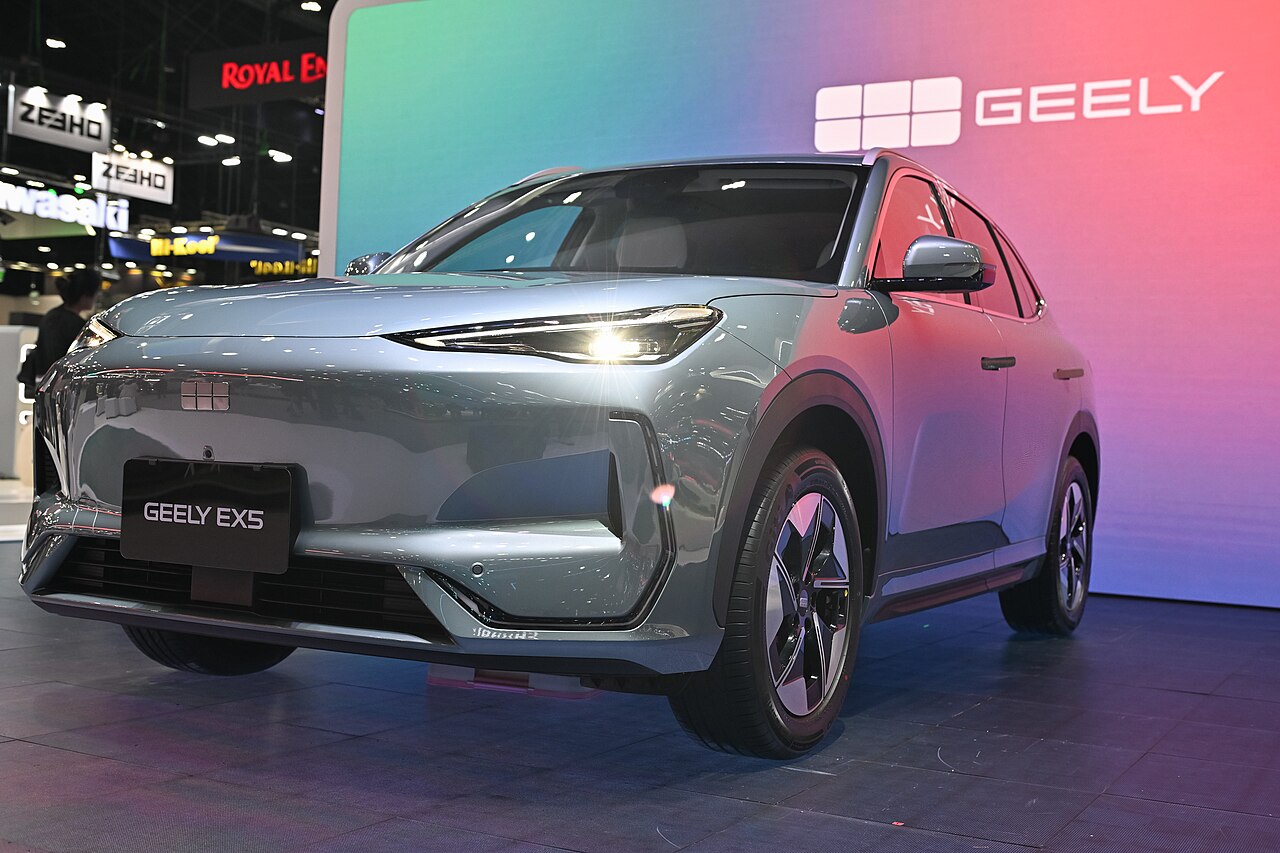
Geely is betting big on software-defined hardware with a new AI-driven fast charging technology that claims to 'heal' electric vehicle batteries. The system, dubbed 'Pulse Restoration,' allegedly extends battery cycle life by 20% compared to standard charging protocols. This move signals a shift from purely mechanical battery improvements to algorithmic optimization of the charging infrastructure.
The 'Healing' Algorithm
The core of Geely's announcement is the use of AI to manage the charging pulse patterns. By dynamically adjusting the current and voltage during fast charging, the system aims to mitigate the stress that typically degrades lithium-ion cells. This isn't just about faster charging; it's about charging smarter to preserve the physical integrity of the battery cells over thousands of cycles.
Impact on EV Infrastructure
For developers and infrastructure builders, this represents a new layer of complexity in the charging stack. If Geely's claims hold up, other OEMs will need to integrate similar AI-driven battery management systems to remain competitive. This could lead to a fragmentation of charging protocols, where proprietary AI models dictate the efficiency and longevity of the battery pack, moving beyond the one-size-fits-all approach of current standards.
Key Takeaways
- Geely claims a 20% increase in battery cycle life using AI-controlled 'Pulse Restoration' charging.
- The technology focuses on reducing battery degradation during fast charging sessions.
- This highlights a growing trend of using AI to optimize hardware performance in EVs.
The Bottom Line
If this 20% figure is real and reproducible, it’s a massive win for battery longevity. But I want to see the peer-reviewed data before I believe an algorithm can truly 'heal' a battery.