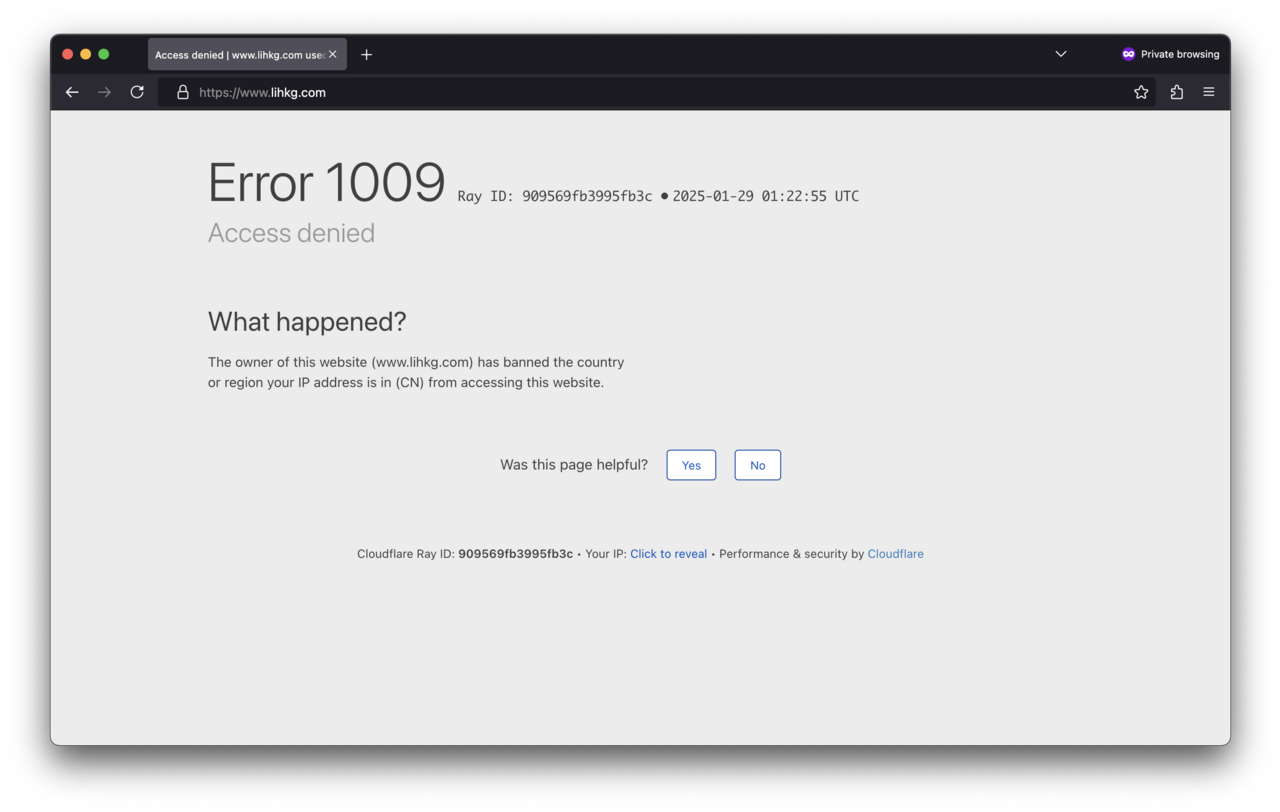
The gates are closing. Starting September 15, Cloudflare will block "Agent" traffic by default on any page carrying advertisements. This isn't just a minor tweak to the robots.txt file; it's a fundamental shift in how autonomous AI systems interact with the commercial web. If your agent is browsing on someone's behalf to check a product before recommending it, you're now hitting a wall unless you explicitly opt-in.
The Distinction Between Crawlers and Agents
It is critical to parse the terminology here. Cloudflare is not blocking search engine crawlers like Googlebot or Bingbot. Those traditional indexing agents remain allowed. The block targets "Agents"—specifically defined as bots browsing live on behalf of a user. This distinction matters because it separates passive indexing from active, real-time retrieval. If you are building a shopping assistant or a travel planner that fetches live pricing from ad-supported e-commerce sites, your default traffic is now being dropped at the edge.
Implications for Agent Developers
For those of us building the next generation of AI assistants, this change forces a rethink of our data ingestion pipelines. The ad-supported web is vast, and it is now hostile to autonomous browsing by default. Developers must now implement explicit permission mechanisms or rely on API-based access rather than scraping HTML. The era of assuming open web access for AI agents is over; the new reality is gated access, where you must prove your worth to the site owner before you can read their content.
Key Takeaways
- Effective September 15, 2026, Cloudflare blocks AI Agent traffic by default on pages with ads.
- "Agent" traffic is defined as bots browsing on behalf of a user, distinct from search crawlers.
- Search engine crawlers remain unaffected by this new default policy.
- Developers must explicitly opt-in or use alternative methods to access ad-supported content via agents.
The Bottom Line
This move by Cloudflare effectively ends the free-for-all era of AI web scraping. Developers must now treat web access as a negotiated privilege rather than a default right, forcing a pivot toward official APIs and explicit permission models for all agent-based applications.