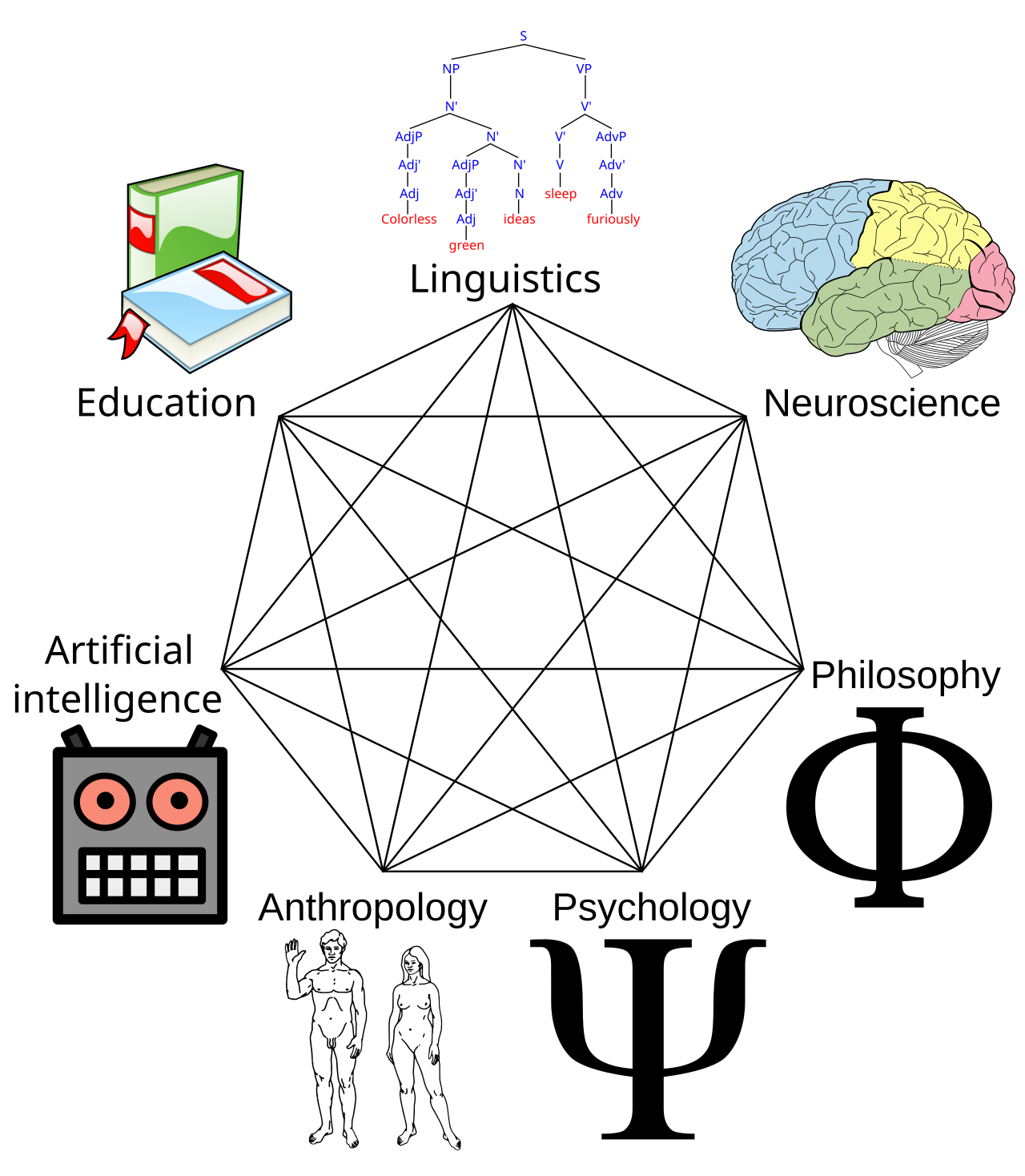
A new AI framework drawing from cognitive science principles has emerged as a potential approach for completing tasks more efficiently, according to research shared via TechXplore. The work represents an interdisciplinary effort to bridge insights from how humans think and solve problems with the design of artificial intelligence systems.
Why Cognitive Science Matters for AI Development
Traditional AI approaches often require massive computational resources and training on enormous datasets to achieve competent performance on specific tasks. Researchers exploring cognitive science-inspired frameworks argue that mimicking how human cognition works could yield more efficient results—systems that learn faster, use less compute, and generalize better across different problems without requiring the same scale of data.
Efficiency Through Biological Inspiration
The core thesis behind this approach centers on the idea that biological intelligence evolved to solve real-world problems under constraints that modern AI systems don't face. Human brains are remarkably efficient at learning new concepts from few examples, reasoning about novel situations, and switching between tasks fluidly. By reverse-engineering these capabilities into software architectures, researchers hope to build AI systems that achieve comparable results with a fraction of the resource investment.
Practical Implications for Developers
For engineers building AI-powered applications, cognitive science-grounded frameworks could offer alternative toolsets that reduce cloud computing bills and improve responsiveness in latency-sensitive applications. Rather than relying solely on scaling up large language models or vision transformers, developers might eventually integrate more biologically-inspired components that handle specific reasoning tasks with greater efficiency.
Limitations and Open Questions
The research remains in early stages, and it's unclear when—or if—this approach will produce frameworks ready for production deployment. Major questions remain about how cognitive science principles translate into concrete algorithms, how to evaluate such systems against established benchmarks, and whether the efficiency gains promised by this approach will materialize at scale.
Key Takeaways
- Cognitive science offers a potential source of architectural inspiration for AI development
- Efficiency improvements could benefit developers deploying AI in resource-constrained environments
- The approach is still theoretical and requires significant additional research before practical adoption
The Bottom Line
This research direction won't replace transformer-based systems overnight, but it's worth watching. If cognitive science-grounded frameworks deliver even partial efficiency gains, they could meaningfully shift the cost-benefit calculus for developers building AI features—especially in edge computing scenarios where every megabyte of model weight matters.