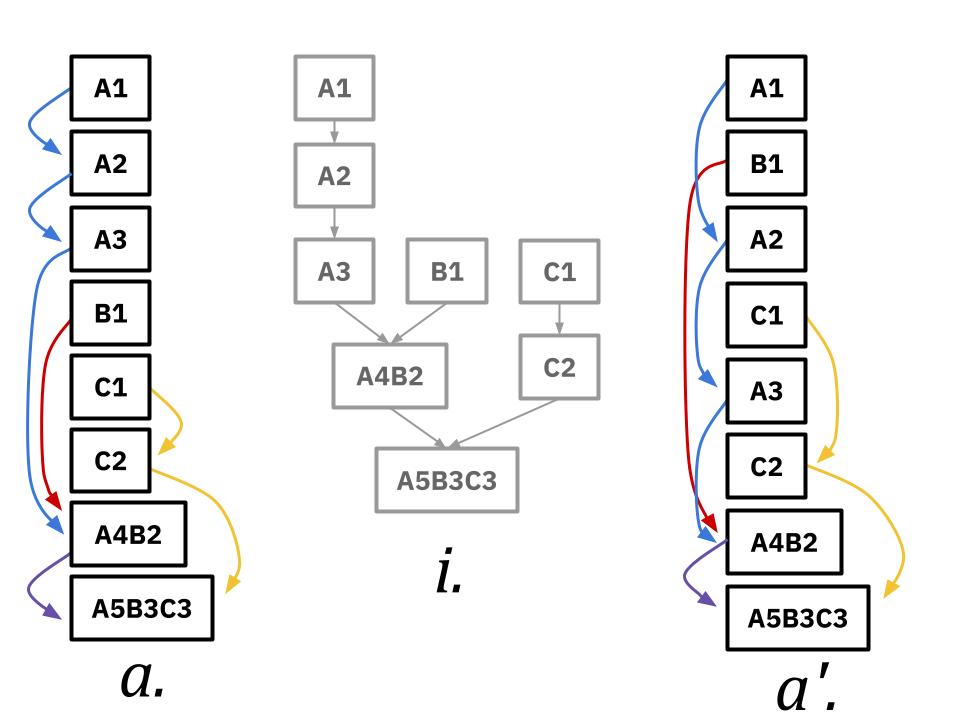
A new project called Pennant has surfaced on GitHub, positioning itself as a "Knowledge Engineering Studio" focused on compiling graph context for AI agents. The repository, hosted at galeluka/Pennant, appeared on Hacker News yesterday and managed to gather just four points from the community—a quiet debut that suggests either early-stage obscurity or a niche tool serving a specific audience.
What We Know So Far
The project description indicates Pennant is designed to help developers structure and compile knowledge graphs that can be fed into AI systems. Graph-based context has become an increasingly popular approach for improving LLM accuracy on complex reasoning tasks, since structured data can provide explicit relationships that raw text sometimes obscures. Whether Pennant offers a novel take on this problem or merely another implementation remains unclear from the sparse information available.
The Broader Context
Graph-augmented retrieval and context compilation has become a crowded space. Projects like LangChain's knowledge graphs integration, LlamaIndex's graph capabilities, and dedicated tools such as Kuzu and Neo4j have all staked claims in this territory. What distinguishes Pennant—if anything—remains to be seen once the codebase gets more scrutiny from the developer community.
Early Community Reception
With only four points on Hacker News and zero comments, Pennant hasn't generated significant discussion yet. This could change if early adopters find value in its approach or if the developer provides additional documentation explaining the tool's architecture and use cases.
Key Takeaways
- Pennant is an open-source project targeting graph-based context compilation for AI agents
- Repository available at github.com/galeluka/Pennant
- Low visibility so far with minimal community feedback on Hacker News
- Tool aims to address knowledge engineering challenges in LLM deployments
The Bottom Line
Pennant's pitch around compiling graph context for AI agents hits a real pain point, but the project needs clearer documentation and community engagement before anyone can evaluate whether it's worth attention. Watch this space—or better yet, check the repo directly if structured knowledge injection is on your roadmap.