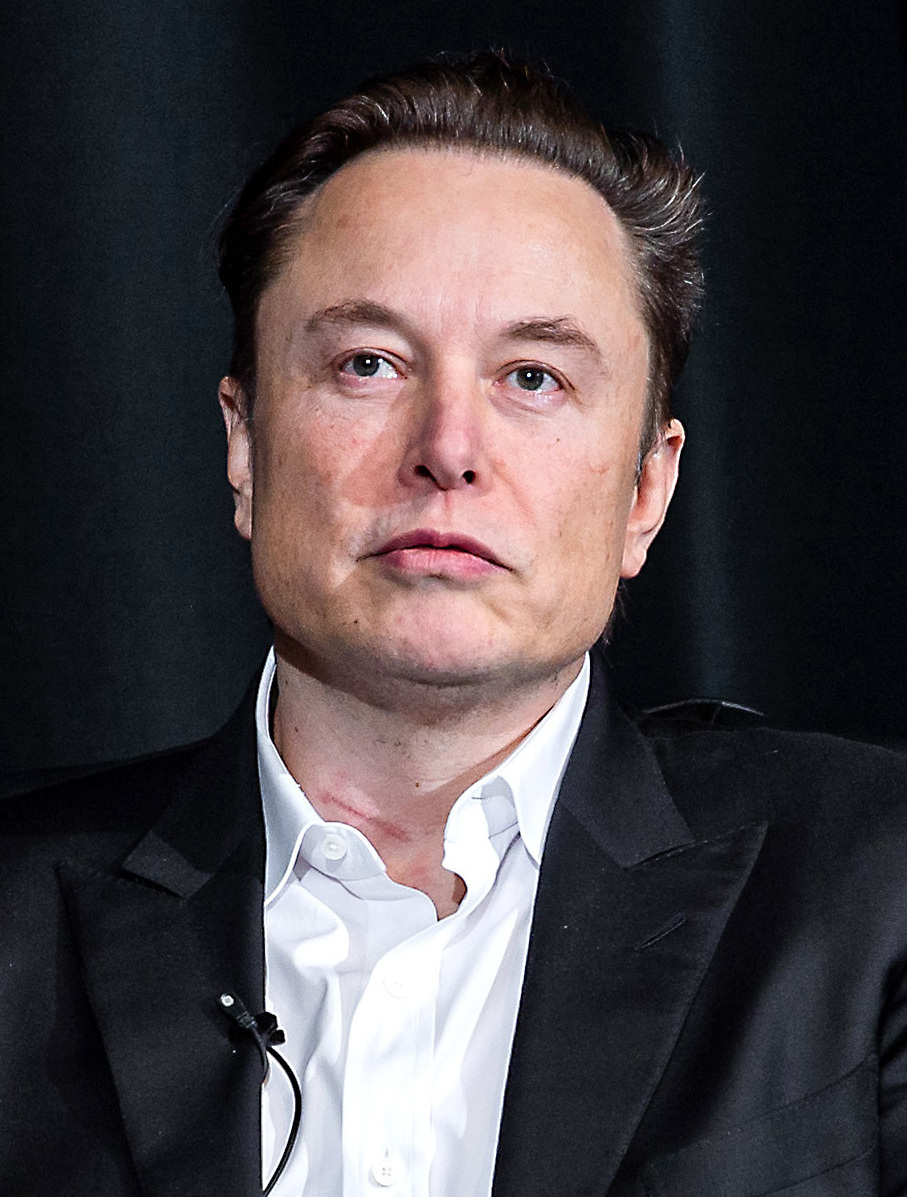
Let's talk about irony. In 2017, Elon Musk stood before the National Governors Association and laid out what seemed like a clean energy utopia — just 100 miles by 100 miles of solar panels in the Nevada desert could power the entire United States, he said. He called the sun "a giant fusion reactor in the sky." That was the foundation of Tesla's Master Plan, the stated reason the company existed: moving us from a "mine-and-burn hydrocarbon economy" to a "solar electric economy."
The Solar Vision That Wasn't
Fast forward to 2026. Musk's xAI is now operating 62 unpermitted methane gas turbines across two data centers in Memphis, Tennessee and Southaven, Mississippi. These turbines power the Colossus supercomputers running Grok — an AI chatbot that has lost 60% of its downloads and dropped from second to fifth place among global AI assistants. According to xAI's own permit applications, these facilities could emit more than 6 million tons of greenhouse gases per year, along with over 1,300 tons of health-harming air pollutants. The EPA closed the regulatory loophole xAI was exploiting in January 2026, but thermal drone footage from February showed those turbines still running.
Burning Fossil Fuels for AI Slop
The chatbot nobody uses is burning through fossil fuels at a staggering rate. Monthly active users dropped 12.5% in a single month to 12.2 million as of April 2026, while competitor Claude surged 44% to 23 million users. In the enterprise market, only 7% of companies reported using Grok compared to 48% for Claude and 40% for Gemini. A survey of 260,000 Americans found that just 0.174% paid for a Grok subscription in Q2 2026. So Musk is burning 6 million tons of greenhouse gases annually to power software that fewer and fewer people actually want. The 2017 version of Elon Musk would have had a field day with that math.
Selling Compute to 'Misanthropic' Rivals
Here's where it gets really interesting. With Grok unable to fill the Colossus data center's 220,000 Nvidia GPUs, Musk leased the entire thing to Anthropic — the company he had publicly called "misanthropic and evil" just three months earlier in February 2026. On X, Musk wrote that Anthropic's AI "hates Whites & Asians, especially Chinese, heterosexuals and men." By May, Anthropic was paying xAI $1.25 billion per month for the compute, a deal worth over $40 billion through 2029. Musk then claimed he came away "impressed" after meeting with Anthropic's team and that "no one set off my evil detector." The $40 billion in guaranteed revenue helps justify what was supposed to be Grok's compute infrastructure — because when your chatbot fails, you rent the servers to your enemies.
Space Solar: Convenient Timing for a $2 Trillion IPO
Now comes the latest pivot. SpaceX filed its S-1 with the SEC on May 20, targeting a valuation between $1.75 trillion and $2 trillion — the largest IPO in history. And in that filing is Musk's new energy thesis: space-based solar power. SpaceX claims orbital solar arrays can generate "more than five-times the energy" of terrestrial ones thanks to 24/7 illumination. The company filed with the FCC for an "orbital data center" constellation of up to one million satellites in low Earth orbit. But here's the problem: if a 100-by-100-mile patch of desert can power the entire United States — Musk's words, repeated for years — why are we now launching solar panels on rockets? The sun hasn't moved. The math hasn't changed. Solar panel efficiency has only improved. What changed is that SpaceX needs to justify a $2 trillion valuation, and terrestrial solar doesn't create demand for Starship launches.
Key Takeaways
- Musk's 2017 vision: 100×100 miles of desert solar could power the entire US with battery storage needing just 1 square mile
- xAI operates 62 unpermitted methane gas turbines emitting 6 million tons of greenhouse gases annually to run Grok, which has crashed 60% in downloads
- Musk called Anthropic "misanthropic and evil" before signing a $1.25 billion monthly compute deal with them
- SpaceX's S-1 filing pivots to space-based solar just as the company targets a $2 trillion IPO valuation
The Bottom Line
The man who built Tesla on the promise of eliminating fossil fuels is now one of America's most aggressive new consumers of natural gas — all to power an AI chatbot nobody wants, while selling the spare compute capacity to companies he publicly trashed. And when terrestrial solar doesn't fit the business plan anymore, suddenly we need to launch panels into orbit. This isn't about energy anymore. It's about financial engineering for history's biggest IPO.